Top 10 Types of Plastic Clamshell Containers for Buyers
Choosing the right plastic clamshell containers involves more than comparing clear shapes and low prices. Buyers must match the package with the product, sales channel, handling conditions, and sustainability goals. A small electronic accessory may need anti-static protection, while fresh produce often requires ventilation and quick visibility. The wrong fit can cause movement, crushed corners, or difficult opening.
This guide examines ten practical clamshell types for retail, shipping, food, hardware, and promotional products. It considers hinged designs, two-piece shells, heat-sealed formats, hanging packs, reusable options, vented containers, and recycled-material choices. Each type has useful strengths. Each also has limits. Closure strength, wall thickness, mold accuracy, labeling space, and stacking performance can change the buying decision.
Details matter.
Experienced buyers usually request samples before approving large orders. A sample can reveal sharp edges, weak hinges, cloudy material, or a lid that closes unevenly. Product dimensions should be measured with protective inserts included, not guessed from catalog photos. Buyers should also confirm resin specifications, food-contact suitability where relevant, recycling information, and regional packaging requirements with qualified suppliers. These checks support safer and more reliable sourcing.
No container solves every problem. A highly secure package may require more opening effort. A lightweight design may reduce material use but offer less impact resistance. Cost estimates can also become inaccurate when tooling, printing, sealing, freight, and storage are overlooked. By comparing these ten plastic clamshell containers through real purchasing criteria, buyers can select packaging that protects products, presents them clearly, and performs consistently from production to the customer’s hands.
What Plastic Clamshell Containers Are and How They Are Designed
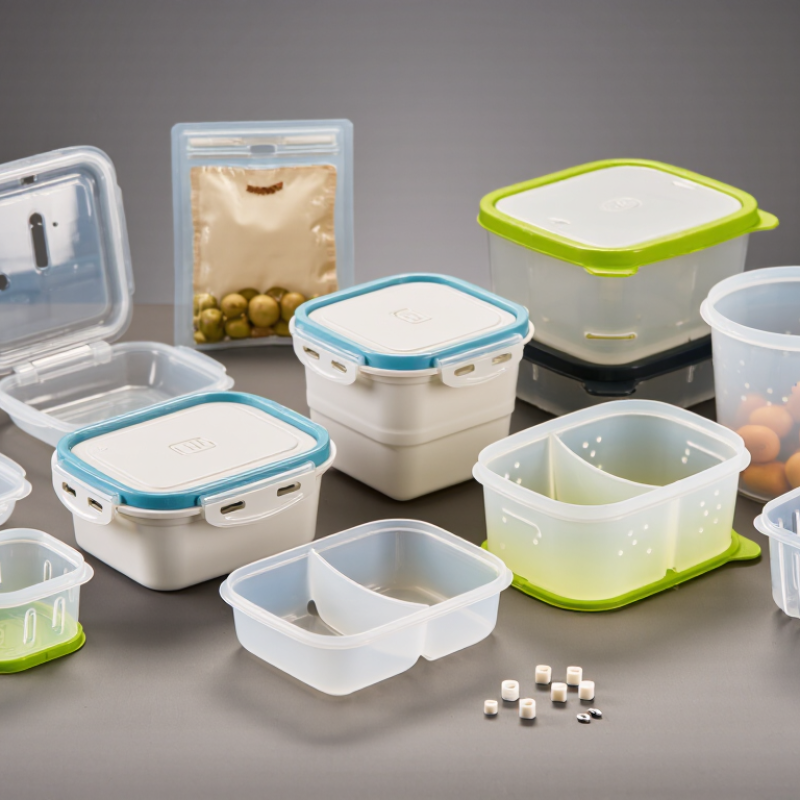
Plastic clamshell containers are formed shells with a base and lid joined by a hinge, or two parts that snap together. Their clear walls let shoppers inspect food or small goods without opening the package. A molded cavity holds the product in place; a rim and closure help resist spills and handling. Designers choose cavity depth, wall thickness, hinge position, and closure force to balance protection with easy access. Too much plastic adds weight. Too little can leave corners flexing under pressure.
Material choice shapes performance. PET is commonly used when visibility and stiffness matter; polypropylene tolerates more heat and bending. The U.S. Environmental Protection Agency’s Advancing Sustainable Materials Management report estimated that plastic containers and packaging generated 14.5 million tons of waste in 2018, with 13.6% recycled. That figure covers a broad packaging category, not clamshells alone. Still, it shows why resin choice and local sorting options deserve attention. A clear package is not automatically recyclable everywhere.
Tips: Match the cavity closely to the product, but allow room for natural variation. Test the closure with cold, damp hands, not only on a clean sample. Check whether labels, inks, and mixed materials interfere with local recycling. One detail is easy to miss: a tight hinge can protect contents, yet frustrate customers at checkout. Design needs a real-world trial.
The Main Materials Used in Plastic Clamshell Packaging
The Main Materials Used in Plastic Clamshell Packaging
Plastic clamshell containers commonly use PET, recycled PET, polypropylene, or PVC. PET is popular when product visibility matters. Its clear walls show the contents, while the hinged edge keeps the lid attached. Recycled PET can reduce demand for virgin plastic, though its color and clarity may vary between suppliers.
Polypropylene handles warmth better than PET in many applications and is often chosen for reusable or food-service containers. It may look less glass-clear, so buyers should inspect samples under store lighting.
PVC can be flexible and highly transparent, but local recycling options may be limited.
There is no perfect resin choice. The best material depends on the product, transport conditions, and available disposal systems.
Tips:
Ask suppliers for the exact resin type and material specifications. Test a filled sample by opening and closing the hinge several times; a brittle hinge can fail before the package reaches a shelf. Check wall thickness, too. A container that feels sturdy when empty may still buckle under stacked products. Recycling guidance varies by location, so confirm local acceptance rather than relying on a resin label alone.
Ten Common Types of Plastic Clamshell Containers
Ten common types of plastic clamshell containers serve different products and handling needs.
Hinged clamshells keep a lid attached, while two-piece designs separate lid and base. Tri-fold styles add an extra panel for closure.
Shallow versions suit berries or pastries; deeper ones protect taller produce and prepared foods. Dome lids provide extra headroom.
Vented containers allow airflow, while solid-sided styles help limit exposure. Compartment clamshells keep items apart. Tamper-evident closures show whether a pack has been opened, and hang-tab designs support peg display. Small details matter.
Material and closure choices affect protection, visibility, and end-of-life handling. The OECD’s 2022 Global Plastics Outlook estimates that only 9% of plastic waste was recycled worldwide in 2019. That figure covers plastics broadly, not clamshells alone, but it is a useful reminder to check local collection options before choosing a format.
In practice, buyers should compare wall thickness, hinge strength, stacking stability, and whether the container stays shut after repeated handling. A clear lid can show bruising or condensation quickly. That helps inspection, though it may also expose products to light. No style solves every problem. Test samples with the actual product and packing line; a closure that looks secure on a desk can loosen in transit.
How Clamshell Containers Serve Different Products and Industries
Plastic clamshells serve very different jobs. A bakery may need a clear hinged pack that displays muffins while limiting handling. Electronics suppliers often choose rigid, fitted shells to keep small parts visible and secure during shipping. Produce growers need ventilation, while takeaway operators may value leak resistance and quick stacking. One shape does not fit every product.
Material choice matters, too. The U.S. Environmental Protection Agency reported that 13.6% of plastic containers and packaging was recycled in 2018. That broad category is not a clamshell-only figure, but it highlights a real design challenge. Buyers should check local recycling access and whether the package uses materials accepted by nearby facilities. A sturdy pack can protect goods, yet excess material may add cost and waste. That trade-off is easy to overlook.
Tips:
Match the hinge and closure to how customers open the pack. Test a sample with the actual product: a sharp corner, condensation, or a heavy item can expose weak points. Ask suppliers for material specifications and food-contact documentation where relevant. Also check stacking performance and label space before ordering at scale. Small trials help. They are not perfect, but they can catch costly mistakes early.
How Buyers Can Compare and Select the Right Clamshell Container
Choosing a clamshell container starts with the product, not the catalog photo. Compare hinged, two-piece, compartment, dome, and tamper-evident styles against the item’s shape and handling needs. A bakery item may need extra headroom, while several small components may stay organized in separate wells. Measure the product at its widest points, then leave room for easy loading without excessive movement.
Material affects clarity, flexibility, and performance. PET often offers a clear display, while PP can suit applications needing more flexibility or heat resistance; check the supplier’s specifications for the exact grade. Compare wall thickness, hinge strength, latch fit, and how easily the container opens. Small details matter. A lid that snaps shut on a sample may loosen after repeated handling. Test it first.
Ask suppliers for dimensions, material details, and minimum order quantities, then test samples with the actual product. Stack filled containers and check whether corners buckle or lids pop open. Consider storage space, shipping damage, and whether local recycling facilities accept the chosen material. A lower unit price may not save money if the package wastes shelf space or increases breakage. I would also question assumptions: “clear” does not always mean the best display, and heavier plastic is not automatically more protective. Compare results under your real packing conditions before placing a large order.