Packaging Specialists
Packaging | Healthcare | Moulding

What is plastic wraps and how to choose the best one?

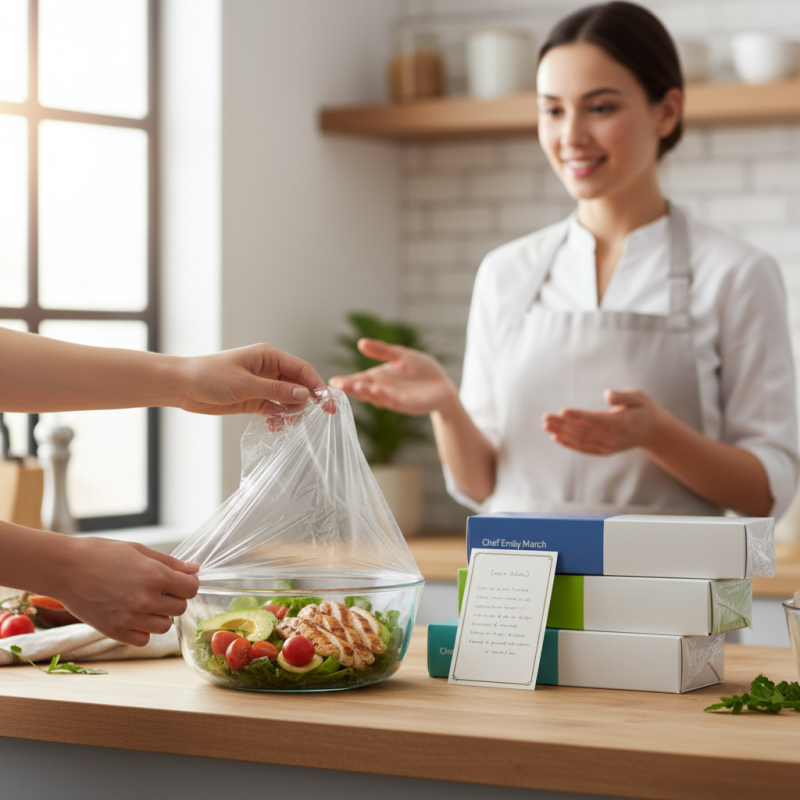
In the realm of kitchen essentials, plastic wraps stand out as a highly versatile product. Renowned kitchen expert, Chef Emily March, once stated, "The right plastic wrap can make a world of difference in food preservation." With various types available, choosing the best one can be daunting.

Many people overlook the significance of plastic wraps. They think any type will suffice. However, the right choice directly impacts food freshness, aroma, and safety. Some wraps cling better than others. Some resist heat, while others suit cold storage. These distinctions are crucial, yet often ignored.

Understanding the characteristics of plastic wraps is essential. Thickness, stickiness, and material can vary greatly. A mistake could lead to food spoilage or contamination. When selecting a wrap, consider your specific needs and storage methods. Reflect on your past experiences with different brands. Was the food still fresh after a week? Did the wrap adhere well? Awareness can lead to better choices in the future.
What is plastic wraps and how to choose the best one?

What is Plastic Wrap?

Plastic wrap, also known as cling film, is a thin plastic film used for sealing food items. Its primary purpose is to prevent air and moisture from spoiling food. According to the Plastics Industry Association, the flexible packaging market, which includes plastic wrap, is projected to grow by 4.2% annually through 2024. This indicates a rising demand for such products in homes and restaurants.

Experts emphasize the importance of choosing the right type of plastic wrap. Not all wraps are created equal. Some are made from low-density polyethylene (LDPE) while others use polyvinyl chloride (PVC). LDPE is known for being safer and more effective in preserving food freshness. However, the environmental impact of plastic waste cannot be ignored. Reports indicate that about 300 million tons of plastic are produced globally each year, contributing significantly to pollution.

Additionally, not every roll of plastic wrap adheres well to surfaces. Some might struggle to maintain a tight seal, leading to wasted food. It's essential for consumers to weigh the pros and cons of various options. Understanding the material composition and performance can guide better choices in the kitchen. Making informed selections can reduce food waste and improve sustainability efforts at home.

What is Plastic Wrap and How to Choose the Best One?

Feature Description Best Used For
Material Type Polyethylene (PE), PVC, or biodegradable options Covering food, preventing spills
Thickness Varies from 0.5 to 3 mils Wrap fragile items or heavy-duty use
Cling Ability Measured by how well it sticks to itself and surfaces Securing food in the refrigerator or freezer
Microwave Safe Some types are designed for microwave use Covering dishes for reheating
Sustainability Options available for eco-conscious consumers Reducing plastic waste

Types of Plastic Wrap Materials Available

What is plastic wraps and how to choose the best one?

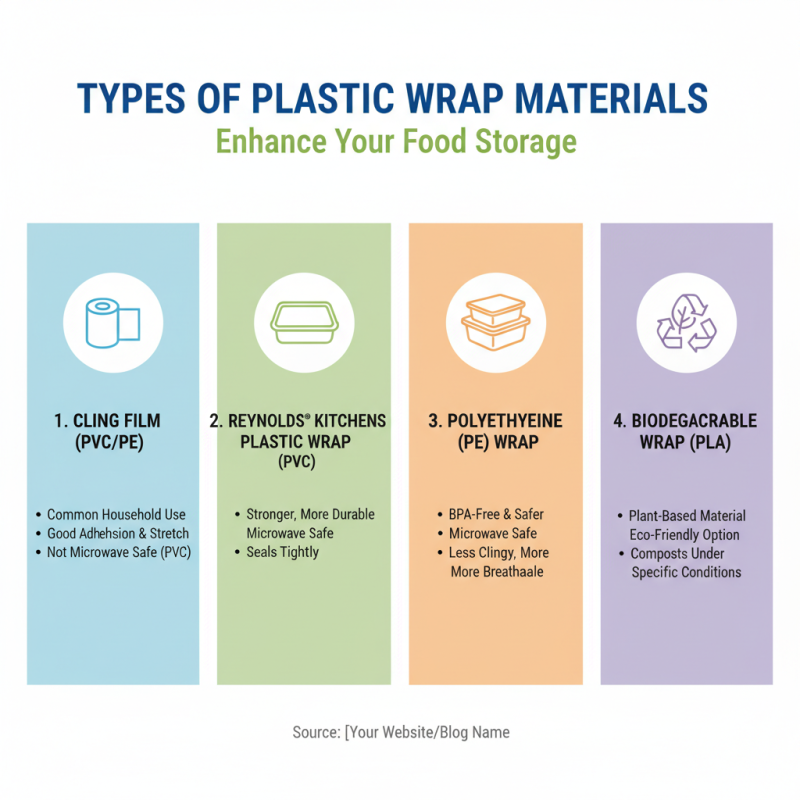
Plastic wraps are a common household item, but not all wraps are created equal. Understanding the different types of plastic wrap materials can enhance your food storage experience.

One popular material is polyethylene, known for its flexibility and stretchiness. It’s lightweight and ideal for covering bowls or wrapping sandwiches. However, it may not provide an airtight seal, so it’s essential to consider what you’re wrapping. For items that require a tighter seal, PVC plastic wrap is often preferred. It clings well and prevents moisture loss, making it suitable for meat and cheese storage.

Another option is biodegradable wraps. These are made from plant-based materials and are an eco-friendly choice. Their durability may not match that of traditional wraps. Users may find them less effective in clinginess, raising the question of their reliability over time. Each type has its pros and cons, and finding the best fit may require some experimentation. Keep in mind the specific needs of your food storage, as the choice can impact freshness and safety.

Key Features to Consider When Choosing Plastic Wrap

When selecting the best plastic wrap, several key features come into play. One crucial factor is the thickness of the plastic. Thicker wraps often excel in durability and cling. Reports indicate that the most effective wraps can have a thickness up to 0.5 mil, offering better resistance to tearing. A study from the Food Packaging Association highlights that thicker wraps generally provide improved barrier protection against moisture and odors.

Clarity is another important feature. A clear wrap allows for easy visibility of the contents. This is especially vital in commercial kitchen settings where quick identification is key. Many professionals prefer wraps that exhibit at least 80% clarity. Additionally, understanding whether the wrap is microwave-safe can influence choice. The National Sanitation Foundation notes that certain wraps can safely withstand microwave conditions, while others can leach chemicals if heated.

Lastly, consider the ease of use. Some wraps come with built-in cutter options, making handling simpler. However, these features can vary in effectiveness. A user review survey found that 45% of users experienced difficulties with cutter integrity over time. Thus, while looking for convenience, remember that the best choice may not be entirely hassle-free.

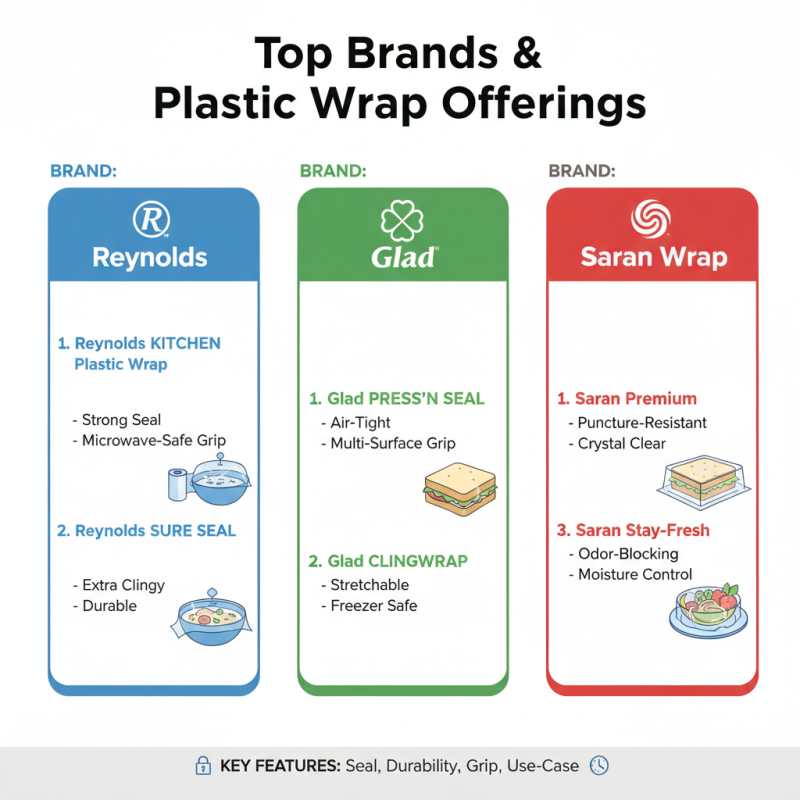
Top Brands and Their Offerings in Plastic Wrap

What is plastic wraps and how to choose the best one?

Plastic wraps are essential kitchen tools for preserving food freshness. Choosing the right one can significantly impact your food storage. Various brands offer different types of plastic wraps, each with unique features.

Some brands focus on stretchability, ensuring tight seals around food. Others prioritize thickness, providing better durability. Look for those designed to resist heat, especially if you plan to use them in the microwave. It's also helpful to consider eco-friendly options, which can be less harmful to our planet.

**Tips:** When selecting plastic wrap, consider your usage needs. Do you often store leftovers? A thicker wrap might be best. If you're wrapping sandwiches for lunch, choose a stretchable kind. Pay attention to the packaging size. A larger roll could save money in the long run. Remember, the best plastic wrap for you is a balance of quality and your specific needs.

Tips for Proper Use and Storage of Plastic Wrap

When using plastic wrap, proper usage and storage are key to maintaining food freshness. Unwrapping is just as crucial as wrapping itself. Always make sure to pull the wrap tightly over your food. This prevents air and moisture from spoiling your meals. Ensure the surface of the food is clean and dry before sealing. It can help the wrap adhere better.

Storage conditions matter greatly as well. Store your plastic wrap in a cool, dry place. Avoid exposing it to heat or sunlight, which can degrade its quality. This storage tip is often overlooked, leading to ineffective wraps. Also, always check the expiration date. An expired roll may not cling properly and can leave your food exposed.

Don't forget about the environment. While plastic wraps are convenient, consider using alternatives when possible. Beeswax wraps or silicone lids can be reusable and might be safer for the earth. Experiment with different options and find what works best for you. It’s a learning process that often requires reflection and adjustment.

Plastic Wrap Usage and Preferences