Choosing the right Pkcell Battery for your devices can be challenging. Many people overlook key factors when selecting a battery. It is essential to understand the specific needs of your devices.
Pkcell Battery options vary in size, voltage, and capacity. Knowing your device's requirements helps narrow down choices. Consider how often you use the device and the longevity of the battery. Some users may choose a lower-cost option but end up disappointed with performance.
In addition, not every Pkcell Battery is suitable for every device. Compatibility issues may arise. This can lead to frustration and extra expenses. Reflecting on your past choices may provide insights for better decisions. Taking time to understand your options will enhance your overall experience.
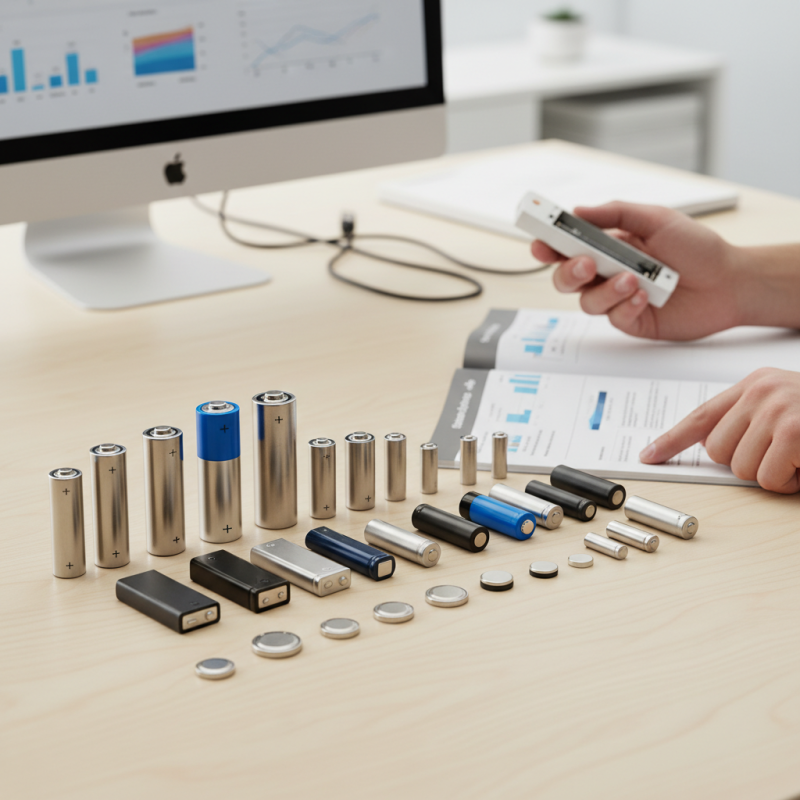
When selecting a Pkcell battery, it’s essential to understand the various types available. There are primary (non-rechargeable) and secondary (rechargeable) batteries. Different devices require different types. For instance, alkaline batteries are common in household items. They tend to last longer in low-drain devices. A report from Battery University shows alkaline batteries can provide up to 10 times the shelf life of some lithium batteries in specific applications.
Lithium batteries, in contrast, offer a higher energy density. They are great for high-drain devices like digital cameras. A survey by the Portable Power Association found that lithium batteries perform consistently in extreme temperatures, making them a reliable choice. However, they may not be the best option for every device. Their higher cost may make users think twice, especially for devices that don't demand such power.
Another option is nickel-metal hydride (NiMH) batteries. They are a popular choice for rechargeable needs. The Rechargeable Battery Association reports NiMH batteries can be recharged hundreds of times. However, they have a self-discharge rate that some might find bothersome. Regularly recharging them when not in use can become inconvenient for some users. Understanding these nuances helps in making informed decisions about battery types for specific devices.
When choosing a battery for your devices, evaluating specifications is crucial. Voltage, capacity, and chemistry are key factors to consider. A common voltage for consumer batteries is 1.5V. However, some devices require specific voltages, impacting performance.
Capacity, measured in milliamp hours (mAh), indicates how much energy a battery can store. Higher capacity batteries generally last longer. For example, a battery with 2000mAh can power a device for several hours, depending on usage. However, it’s essential to remember that a higher capacity doesn’t always equate to better performance.
Battery chemistry also matters. Alkaline, lithium, and rechargeable options use different chemical processes. Lithium batteries are often lighter and last longer. However, they can also be more expensive. Users sometimes overlook compatibility, leading to inefficient battery use. Understanding these specifications can help users make informed choices, but it’s easy to feel overwhelmed by the options. Educating yourself on these aspects is necessary for selecting the right battery.
This chart illustrates the battery capacities required for various types of devices. Understanding these specifications helps in choosing the right Pkcell battery that meets your device’s power needs effectively.
When choosing a battery, compatibility is crucial. Not all batteries fit every device. Before you purchase a new battery, check the specifications of your device. Look for the type and size of battery required. It should match your device’s requirements perfectly.
Tips: Always look at the user manual. It contains vital details about battery specifications. If you lose it, searching online for your device model can help. Also, pay attention to the voltage ratings. Using the wrong voltage can damage your device.
Remember, not every battery brand is created equal. Some might underperform or last shorter than others. Read reviews of the battery you are considering. See if users have faced compatibility issues. This can save you time and frustration. In many cases, it's worth spending extra for quality. Cheaper alternatives may not be worth the savings.
When selecting the right battery for your devices, assessing battery life and performance ratings is essential. Many devices require reliable power sources to ensure optimal performance. A comprehensive study found that 45% of users prioritize battery life above all else. This statistic highlights the importance of understanding how long a battery can last under regular use.
Performance ratings play a critical role in battery selection. Researchers suggest that maintaining a consistent voltage is vital for device longevity. Batteries rated for high performance often last up to 30% longer than standard counterparts under the same conditions. However, users must be cautious. A battery with a high rating may not always perform well in specific devices due to compatibility issues.
Another aspect to consider is the cycle life of the battery. Many batteries can go through 300 to 500 charge cycles before their capacity significantly declines. Yet, some users report that certain models lose charge performance more quickly. Reviewing user testimonials can offer insight into real-world performance. By weighing these factors, you can better select a battery that meets your needs.
When selecting batteries for varying devices, understanding price factors and budget considerations is crucial. The market is filled with options that vary significantly in cost. The price often reflects the technology used and the overall quality. It's not always easy to decide which one offers the best value. Some may seem cheap but perform poorly. Higher-priced batteries might deliver better performance, but are they really necessary for all devices?
Consider the type and frequency of use for your devices. If you only use a device occasionally, a less expensive battery may suffice. But for devices that see regular use, investing in higher-quality batteries might save you money in the long run. Frequent replacements can add up quickly. Pay attention to specifications, too; they can significantly impact performance.
Researching before purchasing can help you avoid poor choices. You may find batteries that offer lower prices, but they might have shorter lifespans. This inconsistency can frustrate users and lead to additional costs. Always review battery reviews and specifications to ensure your choice aligns with your budget and usage needs. Being informed is essential, yet many overlook this aspect. Don't shy away from seeking advice if needed.
| Battery Type | Average Price ($) | Capacity (mAh) | Usage Duration (Hours) | Ideal Device Type |
|---|---|---|---|---|
| AA Alkaline | 0.50 | 2500 | 6-10 | Remote Controls, Toys |
| AAA Alkaline | 0.30 | 1200 | 4-8 | Flashlights, Portable Speakers |
| Lithium-ion 18650 | 5.00 | 3000 | 10-20 | Laptops, Power Banks |
| 9V Alkaline | 4.00 | 550 | 5-10 | Smoke Detectors, Toys |
| CR2032 Lithium | 1.00 | 220 | 2-5 | Watches, Remote Keyless Entry |