Packaging Specialists
Packaging | Healthcare | Moulding

How to Choose the Best Cardboard Packaging Tubes for Your Products?

In recent years, the use of cardboard packaging tubes has surged due to their sustainability and versatility. According to a 2021 report from Smithers Pira, the global demand for sustainable packaging is expected to reach $650 billion by 2027. Cardboard packaging tubes stand out as an eco-friendly option, often made from recyclable materials. Their lightweight design not only reduces shipping costs but also minimizes environmental impact.

When selecting cardboard packaging tubes, businesses must consider several factors. The correct size, thickness, and type of sealing are crucial for protecting products during transit. Improper choices can lead to damage or wasted resources. A study by the Fibre Box Association highlights that 85% of consumers prefer products with eco-friendly packaging. This emphasizes the need for companies to invest time in understanding the specifics of their packaging choices.

Inadequate knowledge about packaging tubes can lead to suboptimal decisions. Many businesses overlook the importance of testing different tube styles or materials. Each product may require a unique approach. Engaging with manufacturers can provide valuable insights. Seeking expert advice can bridge knowledge gaps and ensure effective packaging solutions are implemented.

How to Choose the Best Cardboard Packaging Tubes for Your Products?

Understanding the Various Types of Cardboard Packaging Tubes Available

When choosing cardboard packaging tubes, it’s essential to understand the different types available. Cardboard tubes vary widely in size, strength, and design. Some are cylindrical, while others might feature a unique shape for specific products. Different materials can offer advantages like moisture resistance or added strength.

Consider the dimensions of your product. If it’s fragile, thicker walls or reinforced tubes may be necessary. For bulkier items, longer tubes can prevent damage during transport. Also, some products may require tubes with end caps for extra protection. These features enhance safety and presentation, making your items stand out.

Tips: Always assess the weight of the items stored in the tubes. Heavier items need robust materials to prevent bending. Look at the aesthetic aspect too. Custom printing on tubes can improve brand visibility. Take time to analyze all your options. Choosing the right tube can elevate your product’s appeal significantly. Don’t rush this decision; each choice matters.

Evaluating the Strength and Durability Requirements for Your Products

How to Choose the Best Cardboard Packaging Tubes for Your Products?

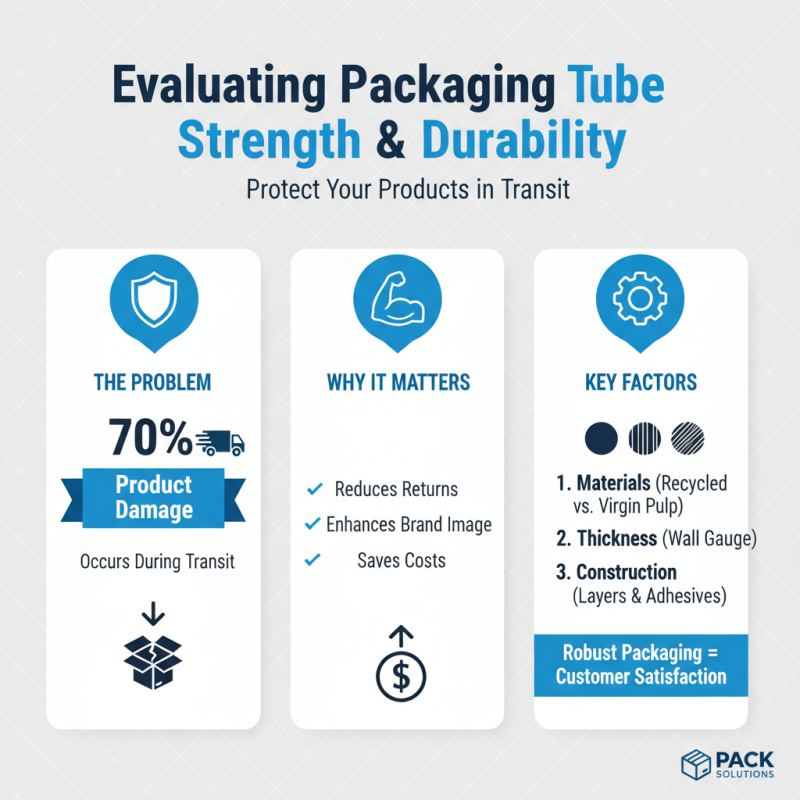
When selecting cardboard packaging tubes, considering strength and durability is crucial. According to recent industry reports, nearly 70% of product damage occurs during transit. This statistic highlights the importance of robust packaging. The structural integrity of a tube depends on its construction materials, thickness, and manufacturing process.

Thicker cardboard typically offers greater durability. A standard tube made from 200 lb test corrugated cardboard can withstand significant pressure. However, some products may require even more strength. For instance, tubes with double-wall construction can resist crushing forces better than single-wall options. Testing the tube's burst strength can provide insights into its capacity to protect contents.

Remember that environmental factors also play a role. Humidity can weaken cardboard, leading to potential failures. Surveys show that over 80% of consumers are concerned about packaging sustainability. Using eco-friendly materials can enhance brand reputation while maintaining durability. Ensure that chosen materials meet industry standards, as they reflect the product's quality and reliability. Consider these aspects carefully to avoid future issues related to packaging performance.

Factors Influencing Size and Dimensions of Cardboard Packaging Tubes

When selecting cardboard packaging tubes, size and dimensions are key factors. The product's shape and weight greatly influence these choices. A delicate item might require a snug fit, while larger products need more space. Customizing the dimensions can prevent damage during transport. If the tube is too large, the item may shift and break.

Consider the efficiency of your packaging. Too much empty space can increase shipping costs. You also want to ensure the design is attractive. The visual appeal of the packaging plays a vital role in marketing. Many brands overlook this, leading to missed opportunities. Balancing sturdiness and aesthetics is crucial.

Reflect on production processes as well. Different tube sizes can lead to wasted materials or increased manufacturing time. Eco-conscious decisions are vital in today's market. Opt for sustainable options when possible. Remember, every choice adds up. Question your dimensions and consider the long-term impact.

Cost Analysis: Balancing Quality and Expense in Packaging Choices

How to Choose the Best Cardboard Packaging Tubes for Your Products?

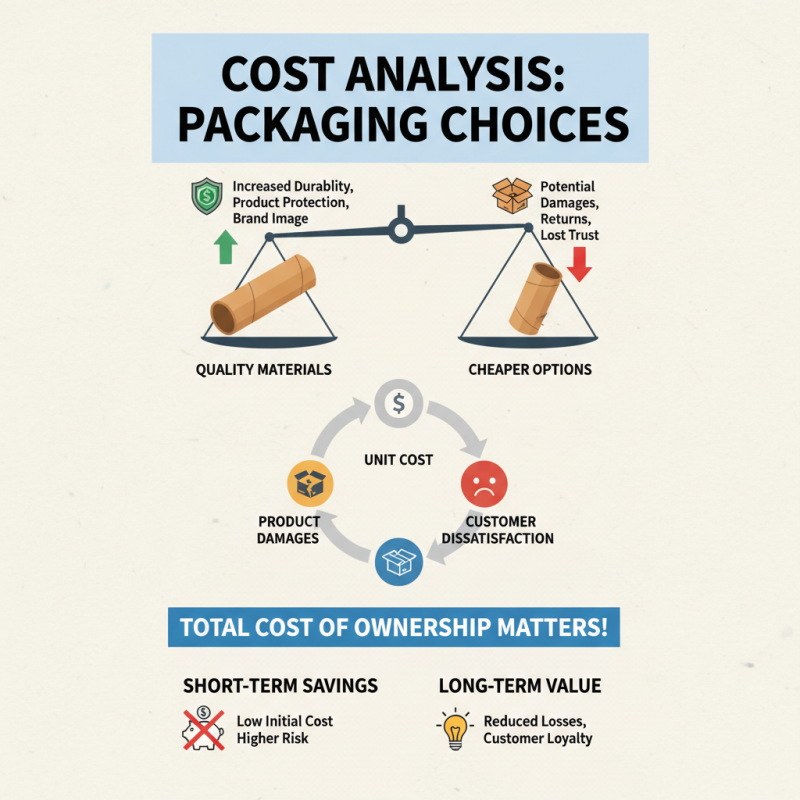
When considering cardboard packaging tubes, cost is often a primary concern. Companies must analyze how much they can spend without sacrificing quality. High-quality materials increase durability and can protect products better during transport. Yet, cheaper options may lead to damages, resulting in higher costs down the line. Examining the total cost of ownership is crucial in this decision-making process.

Balancing quality and expense requires a clear understanding of your products. For instance, fragile items need stronger tubes. This might push costs up. However, using subpar materials might cause losses. Moreover, evaluating shipping and storage efficiencies can impact final pricing. Finding the sweet spot is often a challenge, and it’s advisable to trial different options before making a large purchase.

It's also critical to consider the environmental impact of your choices. Some companies may opt for cheaper materials, neglecting their ecological footprint. This might enhance short-term savings but could hurt long-term brand image. Therefore, weighing all these factors is key, even when navigating complex options. Getting it right requires thoughtful assessment.

Sustainability Considerations in Choosing Cardboard Packaging Solutions

When selecting cardboard packaging solutions, sustainability is paramount. Eco-friendly packaging reduces environmental impact. Cardboard is biodegradable and often made from recycled materials. This makes it a strong choice for businesses aiming to lower their carbon footprint.

Choosing the right packaging involves careful consideration of sourcing. Look for suppliers who prioritize sustainable practices. Assess their production methods and materials used. Are they utilizing renewable resources? Verify their certifications, which can indicate genuine sustainability.

Despite its benefits, cardboard can sometimes be seen as less durable. This raises questions about protection during shipping. Companies might need to weigh the trade-off between eco-friendliness and product safety. Exploring alternatives like protective coatings or reinforcements can help balance these concerns while still upholding a commitment to green practices.

How to Choose the Best Cardboard Packaging Tubes for Your Products? - Sustainability Considerations in Choosing Cardboard Packaging Solutions

Feature Description Sustainability Rating Recyclability
Material Quality High-strength kraft paper for durability A Yes
Thickness Options Available in multiple thicknesses to suit product needs B Yes
Printing Options Eco-friendly ink printing available A Yes
Custom Sizes Can be customized to fit different product dimensions B Yes
Biodegradability 100% biodegradable material option A+ Yes