As the healthcare industry evolves, the demand for innovative medical packaging solutions grows. According to a report by MarketsandMarkets, the global medical packaging market is expected to reach $39.4 billion by 2026. This growth is driven by the increasing need for sterilization and safety in medical products.
Medical packaging not only protects products but also ensures their efficacy. For instance, medical devices and pharmaceuticals require robust packaging to prevent contamination. Despite the advancements, some packaging solutions still lack optimal sustainability. Environmental concerns have become vital. Inadequate focus on eco-friendly materials can hinder growth in this sector.
With regulatory standards tightening, companies must adapt. Failure to comply with packaging regulations can result in severe repercussions. As we look ahead, embracing smart technologies is crucial. The integration of data tracking in packaging could enhance product safety. However, the balance between innovation and cost remains a challenge that the industry must confront.

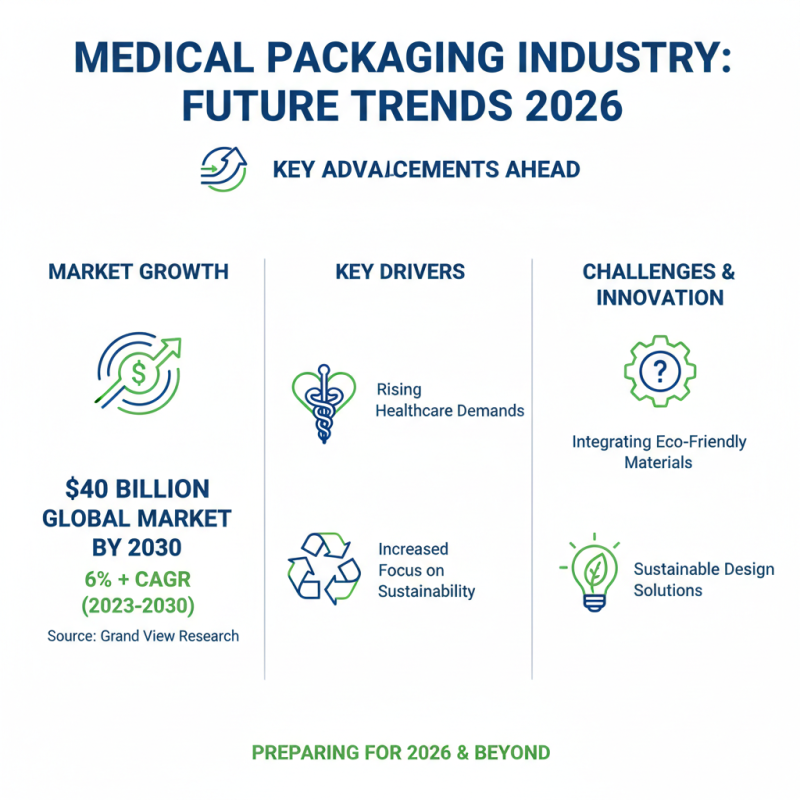
As the medical packaging industry braces for 2026, emerging trends signal significant advancements. According to a report by Grand View Research, the global medical packaging market size will reach $40 billion, growing at a CAGR of over 6% from 2023 to 2030. This growth is largely driven by rising healthcare demands and an increasing focus on sustainability. However, many companies still grapple with integrating eco-friendly materials into their designs.
Biodegradable packaging is one solution gaining traction. Bioplastics, derived from natural sources, reduce dependency on fossil fuels. They also align with consumer preferences for sustainable products. Another trend is the rise of smart packaging solutions. RFID technology, for instance, enhances tracking and inventory management. Despite these advancements, challenges remain in standardizing smart technology across various packaging types.
Regulatory hurdles also pose barriers to innovation. Compliance with stringent regulations is critical but can slow down the introduction of new materials and technologies. Companies must navigate these complexities while balancing cost and performance. The future of medical packaging looks promising, yet it requires addressing these persistent issues for growth.

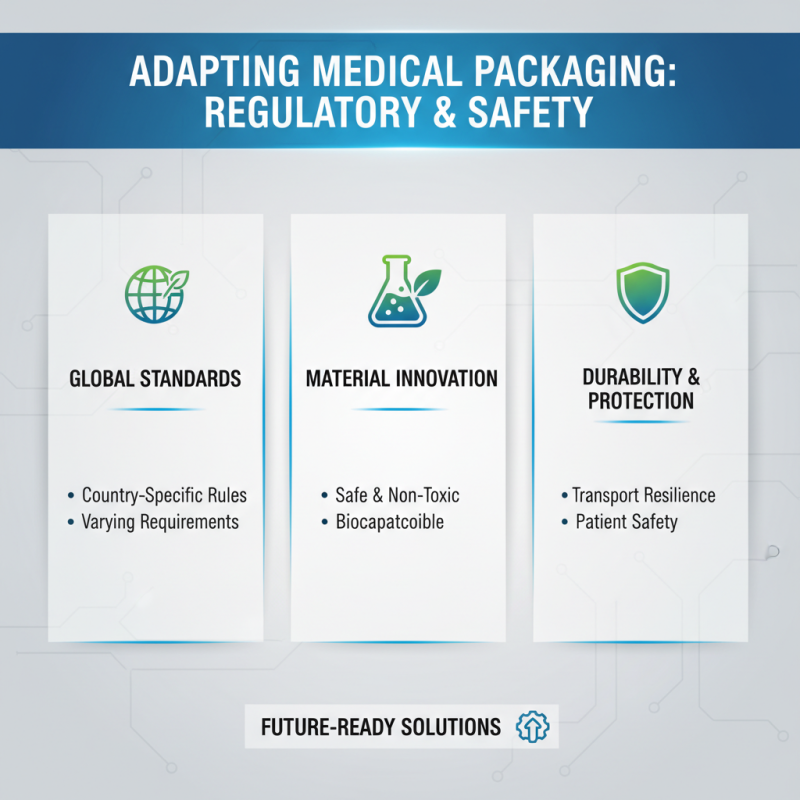
The future of medical packaging solutions must adapt to strict regulatory standards. Each country has unique requirements. Manufacturers need to keep these in mind. For instance, materials must be safe and non-toxic. Packaging must also withstand various conditions during transport. These factors are essential for ensuring patient safety.
Regulatory bodies focus on sterilization methods, labeling, and traceability. Compliance is vital for approval in the market. Failing to meet these regulations can lead to severe penalties. Companies must invest time and resources into understanding these guidelines. It is not just about innovation; it's about compliant innovation.
Sustainability is another challenging aspect. Many regulations are catching up with environmental concerns. Eco-friendly materials offer great potential. However, they must meet safety standards first. Balancing innovation and compliance needs careful consideration. A focus on sustainable practices can be beneficial, but only if it adheres to existing regulations.
Sustainable practices in medical packaging play a crucial role in addressing environmental concerns. The medical industry generates significant waste, with packing materials comprising a large portion. A report by Smithers Pira indicates that medical packaging waste can reach up to 1.5 million tons globally each year. This highlights the need for more eco-friendly options in packaging materials.
Adopting biodegradable materials can drastically reduce environmental impact. The transition to such solutions may appear daunting at first. Many certified biodegradable materials are now available, which can decompose within months instead of years. Plastic waste takes centuries to break down. Shifting to sustainable options can contribute to a greener future for the healthcare sector.
**Tip:** Choose packaging made from recycled materials whenever possible. This not only lowers carbon footprints but also minimizes waste in landfills.
Innovative solutions like plant-based polymers or reusable containers are gaining traction. However, the initial costs may be higher, leading some companies to hesitate. Yet, the long-term benefits for both the environment and company reputation make it essential to explore these options. Embracing sustainability is a journey; every small step counts.
**Tip:** Regularly assess your packaging methods and look for improvements. Remaining aware of new trends can facilitate sustainable transitions.
The future of medical packaging is shifting towards smart solutions. These innovations enhance patient safety significantly. According to a recent report by the Institute of Packaging Professionals, about 80% of medication errors are related to improper packaging. Therefore, the need for smart packaging is urgent.
Smart packaging integrates technology that ensures accurate dosage and reduces errors. For instance, sensors can alert patients when it's time to take their medication. Data from the Healthcare Distribution Alliance shows that more than 50% of patients do not take medications as prescribed. This highlights a need for innovative packaging solutions that improve adherence.
However, challenges remain. Many healthcare providers are not fully aware of available smart packaging technologies. Additionally, some packaging solutions might not be compatible with existing systems. As the industry advances, it will be crucial to address these gaps. Enhancing education and streamlining integration can lead to safer and more effective medical packaging.
Automation is revolutionizing the medical packaging industry. Recent reports indicate that automated systems can reduce packaging time by up to 40%. This efficiency gain is essential as the demand for medical products grows. With the increasing prevalence of personalized medicine, packaging solutions must adapt quickly. Automation streamlines processes, ensuring consistency and accuracy. This is critical for regulatory compliance and patient safety.
However, the integration of automation is not without challenges. Many facilities face barriers related to initial costs and employee training. A study found that 52% of companies reported difficulties in training staff on new technologies. It is essential for organizations to address these obstacles to fully benefit from automation.
Tips: Regular training and updates for staff can help ease this transition. Investing in user-friendly technology increases the likelihood of successful integration. Embracing change is crucial for staying competitive in the evolving medical packaging landscape.
| Packaging Type | Material | Automation Level | Sustainability Rating | Cost Efficiency (per unit) |
|---|---|---|---|---|
| Blister Packs | PVC/PVDC | High | Medium | $0.30 |
| Syringe Packs | Polypropylene | Medium | High | $0.50 |
| IV Bags | EVA | Medium | Low | $0.75 |
| Thermoform Trays | PETG | High | Medium | $0.45 |
| Flexible Pouches | Multi-layer Film | Variable | High | $0.35 |