Packaging Specialists
Packaging | Healthcare | Moulding

What Are Barcode Printer Labels Used For?

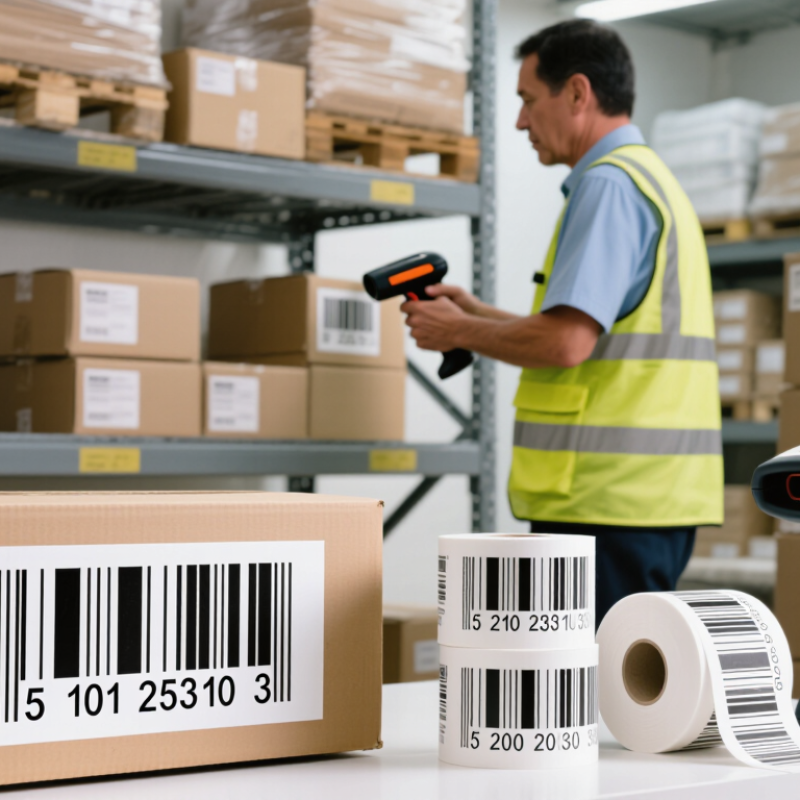
barcode printer labels are small, but they carry important information through busy workplaces. A white label on a carton may show a product code, batch number, or shipping destination. On a warehouse shelf, the same printed code helps staff identify stock with a quick scan. These labels connect physical items to digital records, making everyday tasks easier to track and verify.

Their uses vary by setting. Retailers print price and inventory labels. Manufacturers mark components as they move between production stages. Healthcare teams use labels to identify samples and supplies, while logistics teams track packages from dispatch to delivery. The printer, label material, adhesive, and barcode design all matter. A code that looks sharp on screen can become hard to scan if it is too small, poorly printed, or placed on a curved surface. Details matter.

A useful expert principle is: “A barcode label is only useful when it stays readable where the work happens.” This is an editorial summary, not a verified quotation from a named specialist. For a properly attributed expert quote, a source or interview is needed. That distinction matters. Barcode printer labels are not simply stickers; they are practical data carriers whose reliability depends on the conditions around them. This guide explores what they identify, where they are used, and how to choose labels that suit real operating environments. One limitation is easy to overlook: no label performs well in every setting.
What Are Barcode Printer Labels Used For?

What Barcode Printer Labels Are and How They Work

Barcode printer labels are printable surfaces designed to carry machine-readable symbols, usually alongside human-readable text such as a part number or date. A barcode stores an identifier; a scanner reads its bars or squares and sends that identifier to software, which retrieves the related product or shipment record. GS1 reports that its barcodes are scanned more than 10 billion times daily worldwide, showing how often these small labels support everyday identification and tracking.

The printing method affects how a label performs. Direct thermal printing uses heat-sensitive material, so it suits short-lived labels such as dispatch stickers, though heat and sunlight can fade them. Thermal-transfer printing uses a heated ribbon to place ink onto the label, making it useful where marks need to last longer, such as warehouse shelves or reusable containers. The label’s surface matters, too: a glossy label on a curved, dusty box may be harder to scan than a clean, flat one. Small details count. GS1’s barcode guidance emphasizes print quality and contrast because scanners need clear, properly sized symbols. In practice, teams should test labels on their actual packaging and scanners. It sounds obvious, but this step is easy to skip. A barcode can be correctly generated and still fail at the packing bench.

How Barcode Labels Identify and Track Items

Barcode printer labels give items a readable identity that staff and scanners can use consistently. A label may carry a barcode, a short description, and a number linked to a record. That record can show an item’s location, quantity, or movement history. The barcode does not hold all that information; it points a scanning system to the relevant entry.

At receiving, a worker can scan a carton and confirm its contents before shelving it. Later, another scan can record a move to a different aisle or a dispatch area. On a small parts bin, a compact label helps distinguish similar screws or fittings without relying on memory. Small details matter. A smudged code, poor placement, or damaged surface can slow a scan, so label size and material should suit the item and its surroundings. Even then, labels are not foolproof. A barcode is only useful when records stay accurate and staff scan items at the right moments. A missed scan can leave a digital location different from the shelf’s real one. That gap is easy to overlook.

What Are Barcode Printer Labels Used For?

How barcode labels identify and track items

Barcode labels carry standardized identifiers that scanners use to look up products and record movements. UPC-A and EAN-13 are commonly used on retail items, while ITF-14 is designed for identifying trade-item cases. The values shown are the fixed number of digits in each barcode format, including its check digit.

Common Uses in Retail, Warehousing, and Shipping

What Are Barcode Printer Labels Used For?

Common Uses in Retail, Warehousing, and Shipping

In retail, barcode printer labels help connect products on shelves with pricing and inventory records. Staff can scan a small label during checkout or stock counts instead of entering product details by hand. Shelf labels also support quick price changes, though they can become confusing if old labels remain in place. Clear printing and consistent placement matter.

Warehouses use labels on cartons, storage bins, and pallets. A worker receiving a delivery may scan a carton, then assign it to a marked shelf location. During picking, location and item codes help staff find the right goods with fewer manual checks. Small details count. Labels should suit the surface and handling conditions; a label that peels from a cold bin can slow the whole process.

For shipping, labels commonly identify destinations, parcel numbers, and handling routes. A scannable label helps carriers record a package as it moves through sorting points. On corrugated boxes, strong contrast and a flat, unobstructed placement make scanning easier. It is tempting to assume any label will work, but printer settings, adhesive, and label size all affect readability. Test a sample before printing a large batch.

Applications in Healthcare, Manufacturing, and Other Industries

In healthcare, barcode printer labels help staff identify specimens, medication containers, equipment, and patient records. A small label on a blood tube can link the sample to its record during collection and testing. Clear print matters: smudged bars or a label crossing a tube seam may slow scanning. Not foolproof. Staff still need to verify identifiers and follow workplace procedures. Labels on reusable equipment can carry asset codes, making maintenance histories easier to retrieve. For cold storage, teams often choose materials that remain readable after condensation or chilled handling.

On manufacturing lines, labels identify parts, work orders, batches, and finished goods as they move between stations. A worker can scan a component bin, check its lot number, and reduce manual re-entry. Harsh conditions matter. Oil, abrasion, heat, and outdoor exposure may call for different label materials and adhesives. Testing labels on actual surfaces is wiser than assuming one type fits every job. In warehouses and retail, labels support replenishment, picking, shipping, and returns. Food producers may use them to track dates and batches. Placement counts too: labels should stay visible without covering safety instructions or product details. Workflows sometimes change faster than label designs, and that mismatch deserves a closer look.

How Label Materials and Formats Match Different Uses

Barcode printer labels do more than display a code. Their material and format determine whether that code stays readable on a shelf, carton, or cold-storage bin. Paper labels suit indoor tasks such as price tags and shipping labels, where exposure to moisture and abrasion is limited. Direct thermal printing needs no ribbon, which keeps the setup simple. No ribbon needed. However, heat and sunlight can darken the print, so these labels may not suit long-term storage.

Thermal-transfer labels use a ribbon to create a more durable image. Synthetic materials, such as polyester, can resist water, oils, and repeated handling, making them useful for equipment tags or reusable containers. The adhesive matters too: a label on a curved bottle may lift if its glue is too weak, while a removable label can leave residue if it is too strong. Rolls work well in many automated printers; fanfold stacks can be easier to store or feed in some work areas. Check the printer’s supported width, core size, and sensor type before ordering. Then test a few labels under real conditions. A scan that works on a clean desk may fail on a dusty, curved package. I would not assume one material fits every job; even a small change in temperature can alter the result.

What Are Barcode Printer Labels Used For? - How Label Materials and Formats Match Different Uses
Use Typical Label Material Common Format Barcode Examples Why This Material and Format Fit
Shipping and parcel identification Direct thermal paper for short-term use; thermal-transfer paper when added durability is needed Large adhesive label, often around 4 × 6 in (102 × 152 mm) Code 128, GS1-128, or a two-dimensional code such as QR The larger format leaves room for routing details and a scannable code. Direct thermal avoids ribbon use for labels with a limited service life.
Retail product and shelf labeling Coated paper; synthetic film where resistance to moisture or handling is required Small product label or shelf label, with size chosen to suit the packaging and display UPC-A, EAN-13, or a two-dimensional code Paper is suitable for many indoor retail applications. Film can be a better fit for products exposed to moisture or frequent handling.
Warehouse and inventory tracking Thermal-transfer paper for general indoor use; polyester or polypropylene film for more demanding conditions Adhesive location label, bin label, or rack label Code 128, Code 39, or GS1-128 Material choice depends on the expected label life and exposure. Larger location labels can improve readability when scanned from a distance.
Asset identification Durable polyester or other compatible synthetic label stock, commonly printed by thermal transfer Small adhesive label sized for equipment or an asset plate Code 128, Data Matrix, or QR Synthetic stock can resist wear better than ordinary paper. A compact two-dimensional code can encode useful information in a small area.
Food and perishable goods Paper or synthetic stock selected for the package, storage conditions, and contact requirements Product label or variable-weight label; some applications use a linerless format GS1 DataBar, GS1-128, or another code supported by the item and scanning system Labels may carry changing information such as price, weight, or date. The material and adhesive must suit the packaging and expected temperature and moisture exposure.
Healthcare specimen and supply tracking Thermal-transfer paper or synthetic stock chosen for handling and storage conditions Small vial, tube, bag, or supply label Code 128 or Data Matrix Compact formats suit small containers. The label must remain readable and attached under the conditions specified for the specimen or item.
Event and patient identification Purpose-made wristband stock, such as direct-thermal or thermal-transfer material Wristband with an integrated or attached barcode area Code 128 or a two-dimensional code Wristband materials are designed for wear on the person. The print method and stock should be selected for the expected duration and environment.
Industrial parts and outdoor equipment Durable synthetic film, such as polyester, typically paired with a compatible thermal-transfer ribbon Adhesive identification label or tag Code 128, Data Matrix, or QR For exposure to abrasion, moisture, chemicals, or sunlight, the complete label system—facestock, adhesive, ribbon, and surface—needs to be suitable for the conditions.
Temporary promotions and short-term labeling Direct thermal paper Small adhesive price, markdown, or promotional label UPC-A, EAN-13, or Code 128 Direct thermal printing is convenient for short-lived labels because it does not require a ribbon. It is less suited to applications where long-term image durability is essential.