Packaging Specialists
Packaging | Healthcare | Moulding

Top 5 Innovative Packaging Solutions for Sustainable Business Growth

In today's rapidly evolving marketplace, businesses are increasingly recognizing the critical role that innovative packaging solutions play in driving sustainable growth. As consumers become more environmentally conscious, companies must adapt their practices not only to meet these expectations but also to enhance their brand image and efficiency. The packaging industry is experiencing a transformative shift, with innovative solutions emerging that prioritize sustainability without compromising functionality or design.

This article delves into the top five innovative packaging solutions that can empower businesses to thrive in a competitive landscape. By leveraging advancements in materials, technology, and design, organizations can reduce their environmental footprint while simultaneously improving customer experience and engagement. From biodegradable materials to smart packaging technologies, these solutions not only address ecological concerns but also open new avenues for product differentiation and market expansion. Join us as we explore these pioneering strategies that promise to redefine the future of packaging and contribute to sustainable business growth.
Top 5 Innovative Packaging Solutions for Sustainable Business Growth

Revolutionizing Sustainability: Eco-Friendly Materials in Packaging

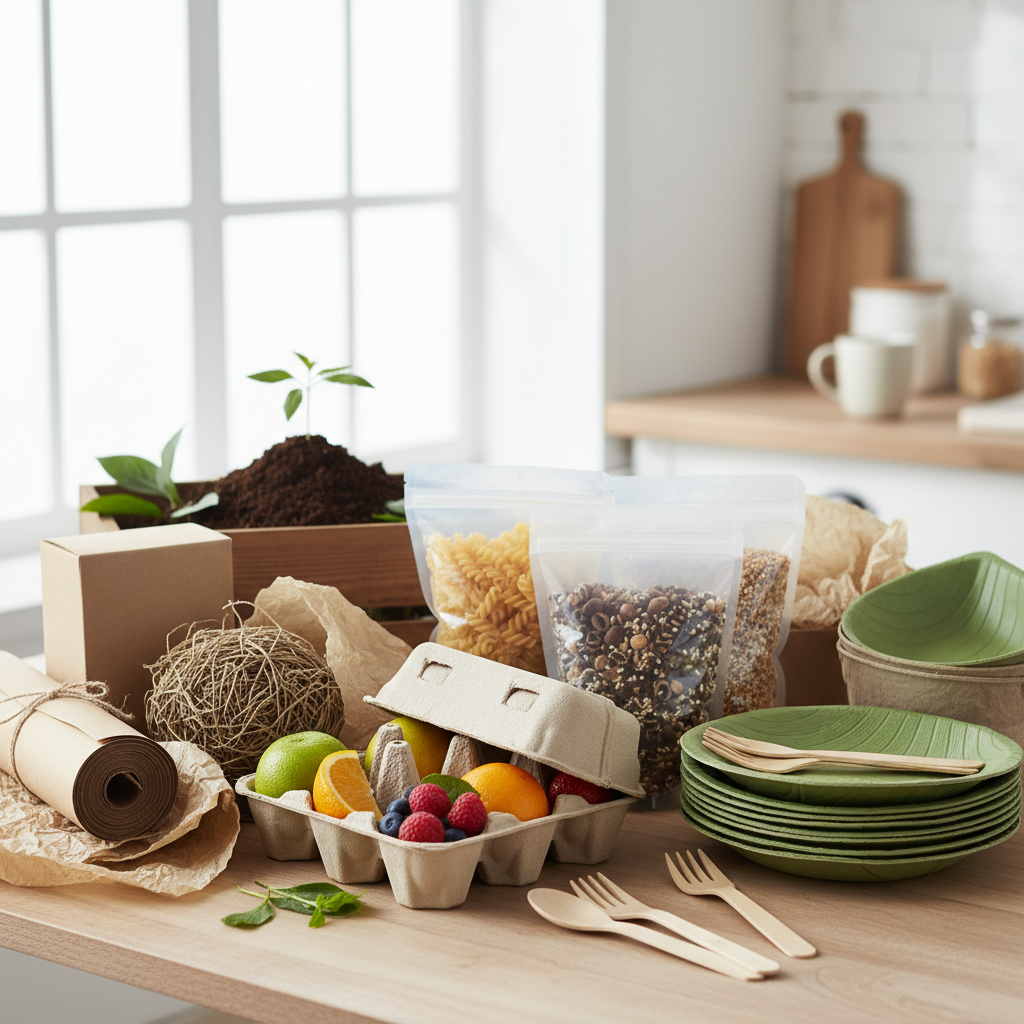
The packaging industry is undergoing a significant transformation as businesses seek to adopt eco-friendly materials that align with sustainability goals. A recent report by Smithers finds that the global market for sustainable packaging is expected to reach $500 billion by 2026, driven by increasing consumer demand for environmentally responsible products. With over 60% of consumers willing to pay more for sustainable packaging, companies are innovating to meet this market expectation.

Materials like biodegradable plastics, compostable films, and recycled paper have gained traction, promising a lower environmental impact. For instance, the Wood Mackenzie report highlights that flexible packaging made from renewable resources could reduce greenhouse gas emissions by up to 30% compared to conventional packaging. Furthermore, companies like Unilever and Coca-Cola are leading the charge by committing to use 100% recyclable, reusable, or compostable packaging by 2025. This shift not only supports ecological balance but also enhances brand loyalty, as research by Nielsen indicates that 73% of millennials are more likely to purchase from brands that demonstrate a commitment to sustainability.
Top 5 Innovative Packaging Solutions for Sustainable Business Growth

This chart illustrates the percentage of companies adopting various eco-friendly packaging solutions in 2023, highlighting the trend towards sustainability in business practices.

Smart Packaging Technologies: Enhancing Consumer Engagement and Brand Loyalty

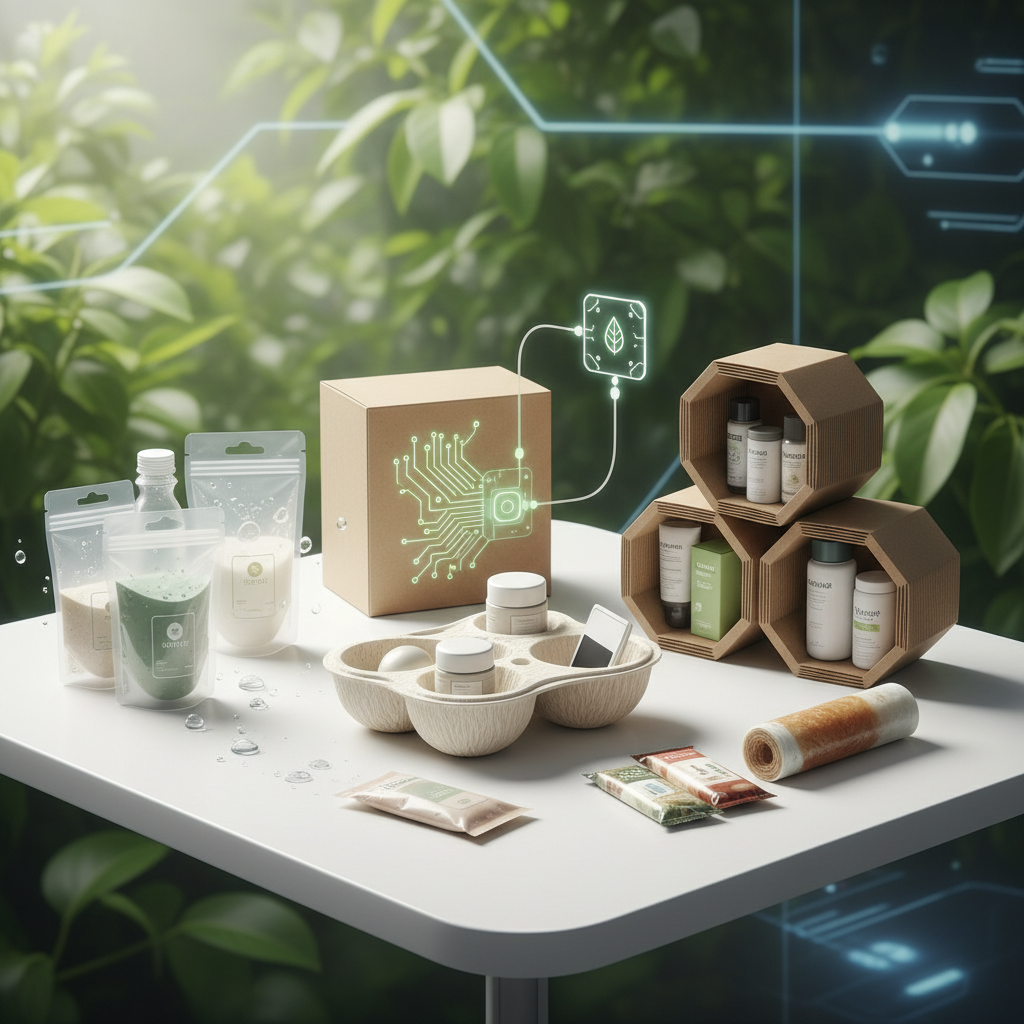
In an era where sustainability and consumer engagement are paramount, smart packaging technologies are at the forefront of revolutionizing the packaging industry. These innovations not only enhance the shelf appeal of products but also actively involve consumers in a brand’s journey. For instance, augmented reality (AR) features allow customers to scan packaging with their smartphones, revealing interactive content such as brand stories, usage tips, or even loyalty offers. This immersive experience deepens the connection between brands and consumers, fostering greater loyalty.

Moreover, smart packaging can greatly contribute to sustainable business practices. RFID tags and QR codes empower consumers to recycle effectively by providing clear information on how to dispose of packaging responsibly. This transparency not only promotes environmentally friendly behaviors but also aligns a brand's image with sustainability—a critical factor for today’s eco-conscious consumers. Ultimately, the integration of smart technologies in packaging not only enhances consumer engagement but also drives brand loyalty, ensuring a sustainable business growth trajectory in an increasingly competitive market.

Biodegradable and Compostable Options: The Future of Waste Reduction

Top 5 Innovative Packaging Solutions for Sustainable Business Growth

As sustainability becomes a priority for businesses, biodegradable and compostable packaging options are leading the charge toward waste reduction. These innovative materials decompose naturally without leaving harmful residues, significantly minimizing their impact on the environment. By replacing traditional plastic packaging with biodegradable alternatives, companies not only contribute to a healthier planet but also align their brand with the values of eco-conscious consumers, enhancing customer loyalty and fostering long-term growth.

Biodegradable packaging, derived from renewable resources such as cornstarch or sugarcane, breaks down within a few months in industrial composting facilities. Meanwhile, compostable options, designed to decompose in home composting systems, offer an accessible solution for individuals and businesses alike. As more companies adopt these packaging solutions, the potential for widespread adoption grows, encouraging a circular economy that prioritizes resource efficiency and waste reduction. Embracing these practices positions businesses as leaders in sustainability while addressing the increasing demand for environmentally responsible products.

Minimalist Design: Reducing Material Usage While Maximizing Impact

Minimalist design is emerging as a powerful approach in packaging solutions, especially for businesses looking to reduce material usage while maximizing visual impact. This design philosophy emphasizes simplicity and efficiency, aligning perfectly with sustainability goals. By cutting down on excessive materials, brands can not only decrease their carbon footprint but also create a more appealing aesthetic that resonates with eco-conscious consumers.

To implement minimalist design effectively, here are a few tips. First, focus on the core message of your brand and eliminate any unnecessary elements from your packaging. This streamlining will not only save materials but also create a stronger impact on consumers. Second, utilize eco-friendly materials that are both lightweight and recyclable. This further enhances sustainability while maintaining a sleek look. Lastly, consider geometric shapes and monotone colors to create an eye-catching yet straightforward appearance that aligns with modern minimalist trends.

As businesses continue to navigate the challenges of sustainable growth, adopting minimalist design in packaging can serve as a strategic advantage, reducing waste and fostering a stronger connection with environmentally aware consumers.

Top 5 Innovative Packaging Solutions for Sustainable Business Growth - Minimalist Design: Reducing Material Usage While Maximizing Impact

Packaging Solution Material Usage Reduction (%) Environmental Impact Cost Efficiency (Cost per Unit) Design Aesthetics
Biodegradable Packaging 30% Reduces landfill waste $0.50 Natural look and feel
Reusable Packaging 40% Minimizes product waste $1.00 Sleek and modern
Plant-Based Plastics 25% Lower carbon footprint $0.75 Smooth finish
Edible Packaging 50% Zero waste $1.50 Unique and innovative
Minimalist Cardboard 35% Easily recyclable $0.40 Simple and elegant

Innovative Supply Chain Solutions: Ensuring Sustainability from Production to Delivery

Innovative supply chain solutions are pivotal for sustainability, enabling businesses to reduce their carbon footprint from production through to delivery. As highlighted by Cargill’s recent initiatives aimed at transforming its cocoa supply chain, the focus on interconnected investments in reducing carbon emissions demonstrates a strong commitment to sustainable practices. By lowering emissions from West African cocoa origins to European processing hubs, companies can establish benchmarks for sustainability in global supply chains.

Furthermore, the rise of low-carbon aluminum production, exemplified by RUSAL's innovative products, underscores the significance of adopting eco-friendly materials and processes. These advancements not only contribute to environmental goals but also enhance product quality, catering to the growing demand for sustainable packaging solutions.

As industries continue to embrace digital transformation, platforms that connect global supply chains will play a critical role in fostering collaboration and innovation, ultimately driving sustainable growth across various sectors.