What is Folding Carton Packaging? Benefits, Uses, and Applications Explained
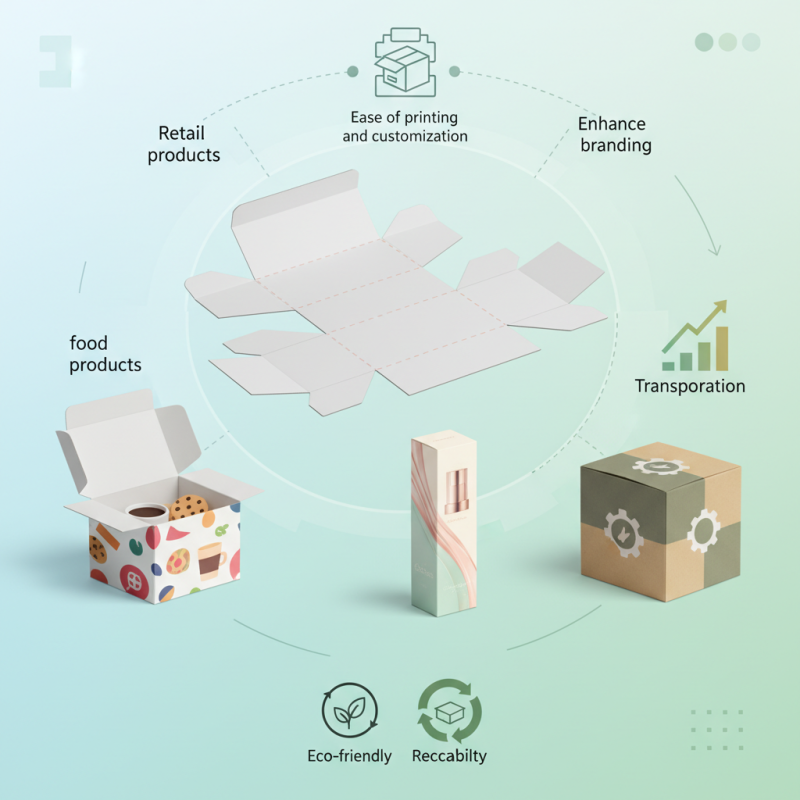
Folding carton packaging has become a vital component in various industries, providing an effective and versatile solution for product presentation, protection, and transportation. This form of packaging consists of paperboard that is folded into a flat shape, ready to be assembled into boxes for a plethora of applications. Its lightweight nature, coupled with the ease of printing and customization, allows businesses to enhance their branding while ensuring their products are securely housed. With its eco-friendly attributes and recyclability, folding carton packaging aligns perfectly with the growing demand for sustainable solutions in today’s market.
In the realm of retail and consumer goods, folding carton packaging is particularly favored for its ability to create visually appealing packaging designs that attract consumers. From food products to cosmetics, the crisp lines and vibrant graphics of a well-designed folding carton can communicate a brand's identity and values effectively. This versatility in design not only strengthens brand recognition but also enhances user experience by offering practical advantages such as easy handling and storage. Thus, the applications of folding carton packaging extend far beyond mere containment, making it an integral part of modern packaging strategies across diverse sectors.
What is Folding Carton Packaging: Definition and Characteristics
Folding carton packaging is a type of paperboard container that is designed to be flat and collapsible, making it easy to transport and store until it is needed. Typically made from thick paperboard, these cartons are characterized by their ability to be folded into various shapes, allowing for diverse designs and structures. Their environment-friendly nature, being recyclable and often made from renewable resources, adds to their appeal. With a wide range of weights and thicknesses, folding cartons can be tailored to suit different products, from groceries to electronics.
The defining feature of folding cartons lies in their versatility and functionality. They can be printed on easily, allowing for vibrant graphics and informative labeling, which enhances brand visibility and consumer engagement. Additionally, folding cartons can be customized with special coatings or finishes to offer protection from moisture or physical wear. Commonly utilized in food, cosmetics, pharmaceuticals, and consumer goods, folding cartons not only provide robust protection for products but also enhance shelf appeal, making them an essential choice for various industries.
Folding Carton Packaging: Benefits, Uses, and Applications
| Dimension |
Description |
| Definition |
Folding carton packaging refers to a type of paperboard packaging that is typically constructed from paperboard and can be folded into a variety of shapes and sizes for product containment. |
| Materials Used |
Made primarily from paperboard, which is lightweight, recyclable, and easily printable for branding and product information. |
| Benefits |
Cost-effective, customizable, eco-friendly, provides protection, and enhances product presentation. |
| Common Uses |
Food packaging, cosmetics, electronics, pharmaceuticals, and retail products. |
| Applications |
Used for boxes, cartons, trays, and displays that help in product storage and retail presentation. |
| Sustainability |
Folding cartons are often made from renewable resources and are recyclable, aligning with growing environmental concerns. |
The Benefits of Folding Carton Packaging for Businesses and Consumers
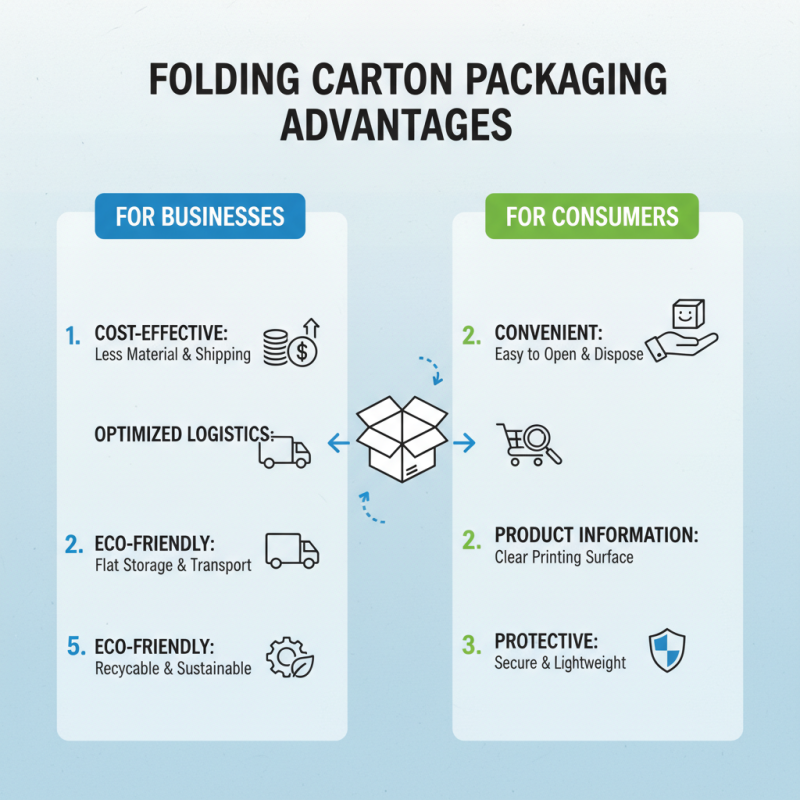
Folding carton packaging offers numerous advantages for both businesses and consumers, making it a popular choice across various industries. For businesses, one of the primary benefits is cost-effectiveness. Folding cartons are typically lightweight and require less material than rigid packaging, which can lead to lower shipping costs and reduced material expenses during production. Additionally, they are easy to store and transport when flat, which optimizes logistics and minimizes storage space requirements.
For consumers, folding carton packaging provides convenience and sustainability. The design of folding cartons allows for easy opening and resealing, enhancing user experience, especially for food and household products. Furthermore, many folding cartons are made from recyclable materials, appealing to eco-conscious consumers who prioritize sustainable practices. This not only reduces the environmental footprint but also fosters brand loyalty among consumers who value companies that demonstrate commitment to environmental responsibility. In summary, folding carton packaging serves as an effective, versatile, and eco-friendly solution for businesses and consumers alike.
Common Materials Used in Folding Carton Packaging Production
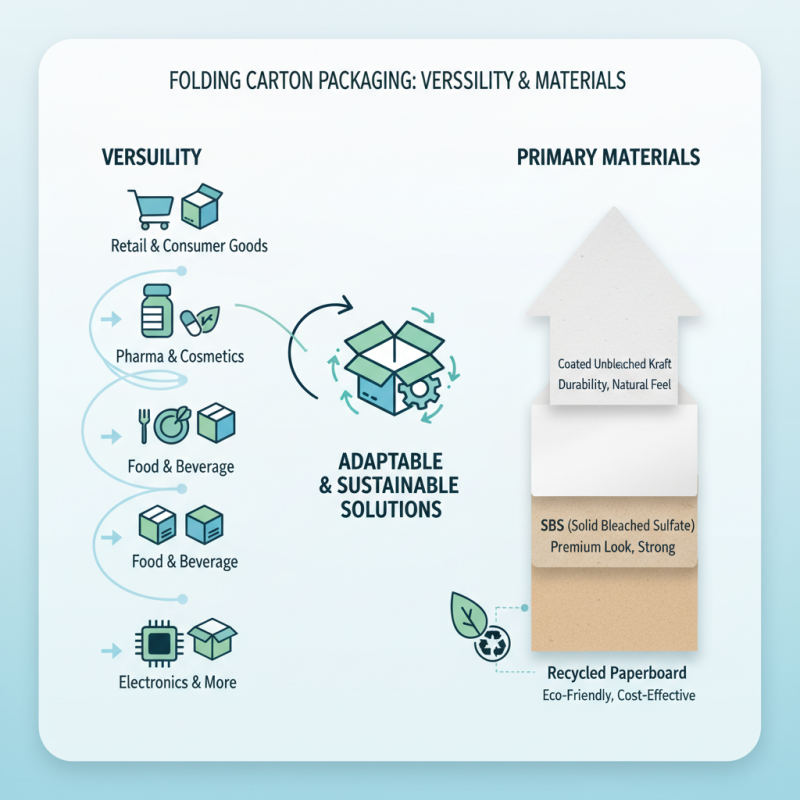
Folding carton packaging is widely recognized for its versatility and effectiveness in various industries. The production of folding cartons primarily involves a range of materials, each chosen for specific properties that optimize the packaging's functionality and aesthetics. The most common material used is paperboard, which is favored for its lightweight yet sturdy characteristics. This material can be easily printed on, allowing for vibrant graphics that enhance brand visibility. Additionally, paperboard is recyclable, aligning with sustainable packaging practices.
Another prominent material in folding carton packaging is corrugated fiberboard. Often used for shipping boxes, it offers superior strength and insulation, making it ideal for protecting products during transit. The corrugated structure provides extra resilience against stacking and impacts, enabling it to support heavier items without compromising integrity. Moreover, with advancements in material technology, manufacturers can produce folding cartons that feature moisture-resistant coatings, enhancing their suitability for perishable goods. These varying materials ensure that folding cartons can accommodate a diverse array of applications from retail packaging to food service.
Key Applications of Folding Carton Packaging in Various Industries
Folding carton packaging is a versatile and widely used packaging solution across numerous industries. One of the key applications is in the food and beverage sector, where folding cartons provide effective protection and presentation for products like cereal, frozen meals, and takeout containers. They enable easy stacking and display on retail shelves, enhancing product visibility. Additionally, folding cartons can be designed to be tamper-evident, ensuring safety and freshness for consumers.
Another significant application is in the cosmetics and pharmaceutical industries. For cosmetics, folding cartons not only safeguard products but also act as a canvas for eye-catching designs that attract consumers. In pharmaceuticals, they serve a critical role in providing essential information and instructions for medication while maintaining product safety. These cartons can be customized with various finishes and coatings to enhance aesthetics and durability.
Tips: When choosing folding carton packaging, consider sustainability by opting for recyclable materials. This not only appeals to environmentally conscious consumers but also aligns your brand with sustainable practices. Additionally, ensure that the design follows ergonomic principles for ease of opening, which can improve user experience significantly.
Sustainability and Environmental Impact of Folding Carton Packaging
Folding carton packaging is increasingly recognized for its sustainability and minimal environmental impact compared to other packaging options. Made primarily from renewable wood fibers, folding cartons are biodegradable and recyclable, making them an eco-friendly choice for manufacturers and consumers alike. The production processes for folding cartons have also seen advancements, incorporating energy-efficient methods and responsible sourcing practices that reduce carbon footprints. By utilizing materials that can be easily reprocessed, companies can significantly decrease landfill contributions and promote a circular economy.
Additionally, the versatility of folding carton packaging contributes to its sustainable appeal. It can be designed to hold a variety of products across multiple industries, reducing the need for excessive secondary packaging. Brands are now focusing on eco-conscious designs, opting for inks and coatings that are less harmful to the environment. This aligns with the growing consumer demand for sustainable practices, encouraging companies to adopt more responsible packaging solutions. As awareness around environmental issues continues to rise, folding carton packaging stands out as a proactive approach to sustainable logistics, reflecting a commitment to reducing overall ecological impact while meeting market needs.