Packaging Specialists
Packaging | Healthcare | Moulding

How to Choose the Right Carton Boxes for Your Packaging Needs

Choosing the right carton boxes for your packaging needs is a critical decision that can significantly impact the efficiency of your supply chain and overall customer satisfaction. According to industry reports, the global cardboard box market is projected to reach approximately $250 billion by 2027, with a compound annual growth rate (CAGR) of around 5%. This growth underscores the importance of selecting appropriate packaging solutions, as businesses are increasingly recognizing the role of high-quality carton boxes in ensuring product safety during transit and enhancing brand image.

Carton boxes not only provide protection for goods but also play a vital role in reducing shipping costs and environmental impact. A recent study highlighted that using optimized packaging, including well-designed carton boxes, can reduce shipping costs by up to 20%, a significant saving for businesses operating in competitive markets. Moreover, the move towards sustainable packaging materials has prompted manufacturers to seek eco-friendly carton options, responding to a market demand that has surged by 60% in the past five years. Thus, understanding how to choose the right carton boxes is essential for businesses aiming to improve operations and meet consumer expectations in an increasingly eco-conscious marketplace.
How to Choose the Right Carton Boxes for Your Packaging Needs

Understanding Different Types of Carton Boxes Available for Packaging

When selecting the right carton boxes for your packaging needs, it is crucial to understand the various types available in the market. Basic categories include single-wall, double-wall, and triple-wall cartons, each offering different levels of strength and durability. According to a report by Smithers Pira, the global market for corrugated boxes is expected to reach $300 billion by 2024, underlining the growing importance of selecting the right packaging solutions. Single-wall boxes are suitable for lightweight items, while double-wall and triple-wall boxes provide enhanced protection, making them ideal for heavier or fragile goods.

Moreover, the choice of carton box should also account for the specific usage environment. For example, when products are subject to temperature fluctuations, insulated cartons made from material that incorporates thermal properties can help maintain product integrity. A study by Mordor Intelligence indicates that the demand for environmentally friendly packaging alternatives is rising, with sustainable carton options expected to dominate the market. With increasing consumer awareness of sustainability, selecting eco-friendly materials not only meets regulatory requirements but also enhances brand image and customer loyalty. Understanding these factors will ultimately lead to better decisions in carton box selection, aligning with your packaging needs and environmental goals.
Factors to Consider When Choosing Carton Boxes for Specific Products

When selecting the right carton boxes for your packaging needs, several factors must be taken into account to ensure product safety, durability, and cost-effectiveness. The type of product often dictates the specifications of the carton box. For example, fragile items such as electronics require boxes designed to absorb shock, while heavier products can necessitate double-walled cartons to maintain structural integrity during shipping. According to industry reports, approximately 30% of product damage occurs during transportation, underscoring the importance of choosing the right packaging materials.

In addition, the dimensions of your products play a crucial role. A box that is too large can lead to unnecessary movement during transit, increasing the risk of damage. Conversely, a box that is too small may compromise the integrity of the product itself. Market research reveals that optimizing box size can help reduce shipping costs by up to 20%. Properly sizing your packaging not only safeguards your product but also enhances shipping efficiency.

**Tips:** When selecting carton boxes, consider conducting a test run with a few samples to evaluate durability and fit for your specific products. Additionally, explore eco-friendly materials, as sustainability is becoming increasingly important to consumers; reports indicate that over 70% of customers prefer brands that use environmentally conscious packaging.

Choosing the Right Carton Boxes for Packaging Needs

This chart illustrates the important factors to consider when selecting carton boxes for specific products. The data showcases the percentage of importance attributed to various factors based on industry standards.

Assessing Strength and Durability Requirements for Your Carton Boxes

When choosing carton boxes for your packaging needs, assessing the strength and durability requirements is crucial. Different products have varying levels of fragility, so understanding the specific needs of your items is the first step in selecting the right boxes. For instance, heavier or fragile products require boxes made from sturdier materials, such as double-wall or triple-wall corrugated cardboard, to prevent damage during transport.

Tips for ensuring you select the appropriate strength includes examining the box's burst strength and edge crush test (ECT) ratings. These metrics can give you a better understanding of how well the box can withstand pressure and stacking loads. It is also essential to consider environmental factors—if your products will be stored in humid or extreme conditions, choosing moisture-resistant materials may be necessary to maintain the integrity of your packaging.

Another important aspect to consider is the closure method you will use. Reinforcing the seams and using strong adhesives can significantly enhance the durability of the boxes, protecting your items during transit. Additionally, always consider the overall weight of the box itself; a heavier box could increase shipping costs and affect your overall logistics strategy. By thoroughly assessing these factors, you can ensure that your packaging is both effective and efficient.

Evaluating Size and Dimensions for Optimal Packaging Efficiency

How to Choose the Right Carton Boxes for Your Packaging Needs

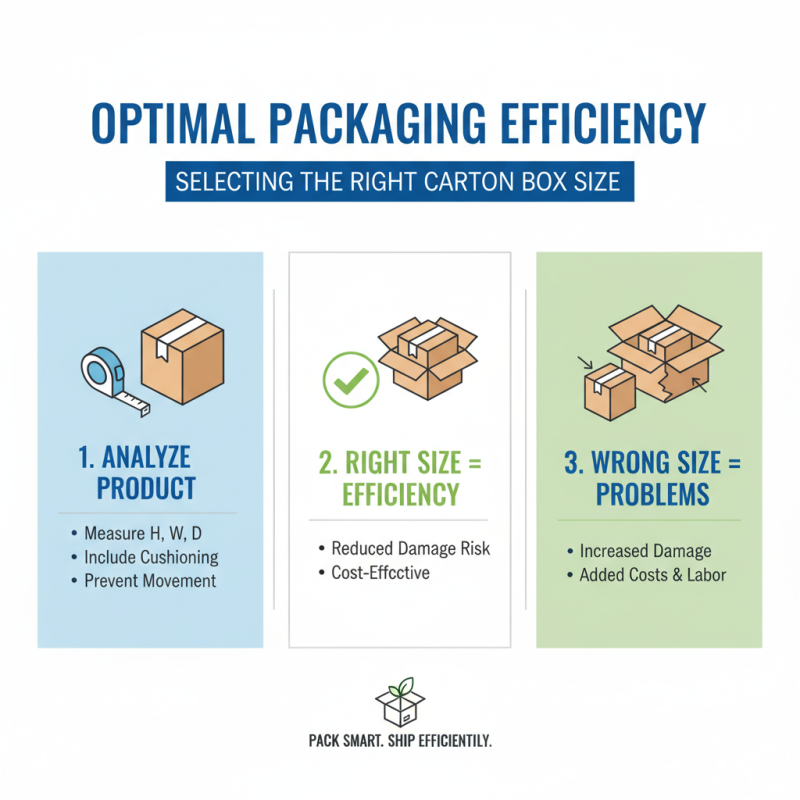
When it comes to selecting the right carton boxes for your packaging needs, evaluating size and dimensions is crucial for optimal packaging efficiency. The first step is to analyze the products you intend to ship. Measure their height, width, and depth accurately, considering any additional cushioning materials that may be needed during transport. Selecting a box that is too large can lead to unnecessary movement inside the box, increasing the risk of damage. Conversely, a box that is too small may cause breakage or require repackaging, which can add to costs and labor.

Tips: Always use a box that snugly fits your product. A good rule of thumb is to leave about an inch of space on each side for protective padding. This ensures your items are secure during transit, reducing the likelihood of returns due to damages.

Another vital consideration is the overall weight capacity of the box. Heavier items require sturdier cartons made from thicker materials. Ensure to account for the total weight of your package, including the product and any additional packing materials, when determining the right box. Using lightweight yet durable boxes can help lower shipping costs without compromising the safety of your products.

Tips: For lighter items, opt for double-walled boxes for added strength without unnecessary weight. This approach helps to minimize shipping expenses while still maintaining the integrity of your packaging.

Sustainability Options for Eco-Friendly Carton Packaging Solutions

How to Choose the Right Carton Boxes for Your Packaging Needs

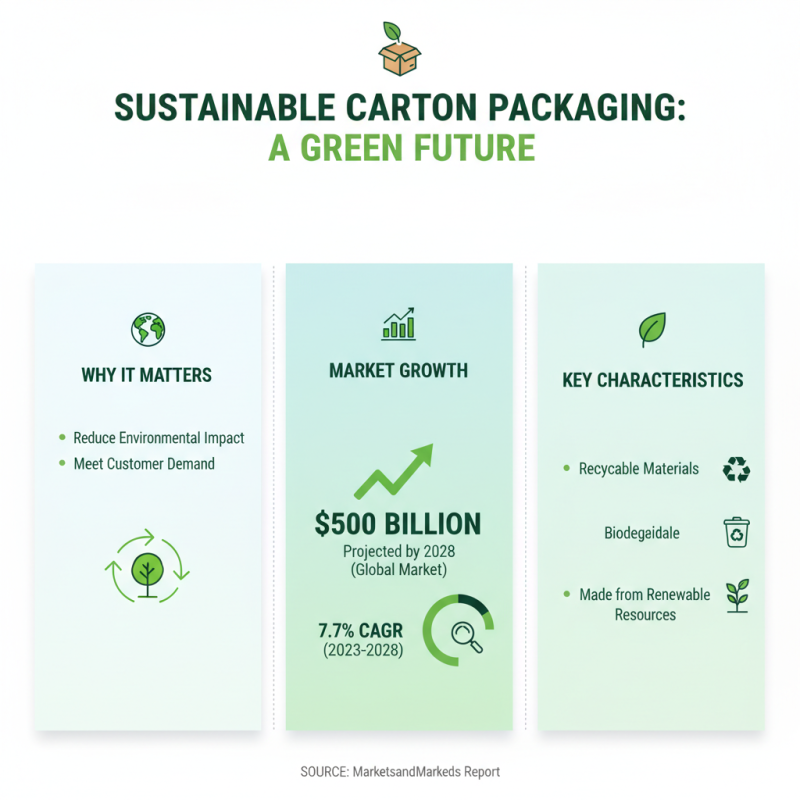
When selecting carton boxes for packaging, sustainability has become a crucial consideration for businesses aiming to reduce their environmental impact. The global demand for eco-friendly packaging solutions has surged, with a report from MarketsandMarkets indicating that the sustainable packaging market is projected to reach $500 billion by 2028, growing at a compound annual growth rate (CAGR) of 7.7%. This trend highlights the increasing emphasis on using materials that are recyclable, biodegradable, or made from renewable resources, meeting both customer expectations and regulatory requirements.

The production of carton boxes has seen significant innovations geared towards sustainability. Many manufacturers are now utilizing recycled paper and cardboard, which not only helps in conserving natural resources but also reduces greenhouse gas emissions associated with raw material extraction. A 2021 study by the Environmental Protection Agency reported that recycling a ton of paper can save approximately 17 trees, 4,100 kilowatts of electricity, and 7,000 gallons of water. Such figures underscore the importance of choosing recycled materials for carton packaging, as businesses can significantly contribute to environmental preservation while also appealing to environmentally conscious consumers.

In addition to recycled materials, alternative materials such as mushroom-based packaging and plant-based polymers are gaining traction. These innovations are not only compostable but also represent the future of sustainable packaging. According to a report by Smithers, the demand for plant-based packaging is expected to reach 25% of the global packaging market by 2025. By embracing these eco-friendly options, companies can enhance their sustainability profiles, meet consumer demand for greener products, and potentially reduce their overall packaging costs in the long run.